DNA Reveals Identity of Revolutionary War Soldier Buried at Camden Battlefield
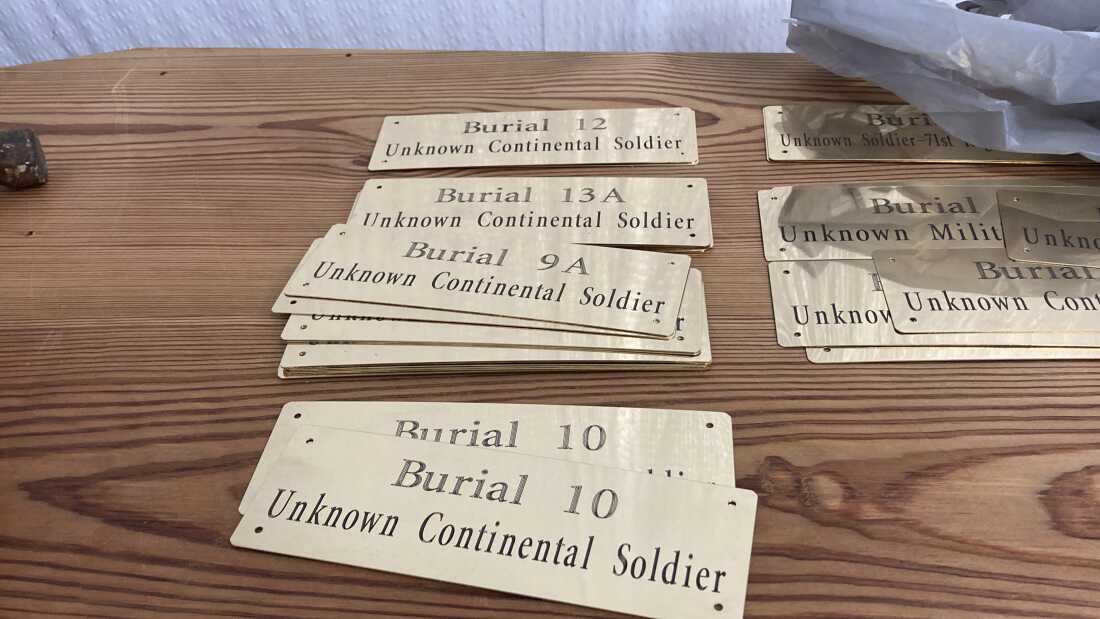
Remains of 14 unknown soldiers discovered at the Battle of Camden site are now being identified and reburied. On March 30, 2023, plaques were seen in Columbia, South Carolina, as DNA has unveiled the identity of one soldier, Pvt. John Pumphrey.
Journey of Pvt. John Pumphrey
Pvt. John Pumphrey joined the Continental Army’s 7th Maryland Regiment as a teenager in January 1777. He participated in the battles of Brandywine and Germantown in Pennsylvania and the battle of Monmouth in New Jersey. Pumphrey endured harsh winters at Valley Forge and Morristown, before moving to the South to fight the British again. The Battle of Camden in August 1780 marked his final stand. He was killed by a British musket and buried in a shallow grave in South Carolina.
The Discovery Process
In 2022, University of South Carolina archaeologists found Pumphrey’s skeletal remains. DNA analysis was conducted, leading to identification by FHD Forensics, matching his DNA to historical records. One of these matches was 71-year-old Nancy White. The news of her relation to Pumphrey came as a significant surprise, as she was told he was her fourth great uncle.
DNA Analysis and Historical Records
Allison Peacock, President of FHD, explained that three DNA analyses methods were employed to verify results for Pumphrey. He likely didn’t have direct descendants due to his untimely death. The matches revealed about 20,000 relatives. White, alongside many others contacted via email, collaborated in confirming results by sharing family trees and searching archives for necessary information.
A Unique Soldier
White and her sisters had studied their genealogy and entered a DNA database aiding FHD’s research. Though aware of their Pumphrey lineage, they found it puzzling as Quakers, known for pacifism, appeared in their ancestry. The discovery of a Pumphrey relative engaged in the Revolutionary War took them by surprise due to their strong Quaker background.
Pumphrey’s orphan status might have driven him towards military life. He and his siblings lost their parents early, providing context to his enlistment. Remarkably, Pumphrey re-enlisted in an army often short on manpower as soldiers typically returned home for farming duties.
Oldest DNA Identification
Peacock noted that Pumphrey stands as the oldest John Doe identified through genetic genealogy, despite potential complexities due to generational gaps affecting DNA measurable relatedness.
Excavation and Reburial Efforts
James Legg, a USC public archaeologist, spearheaded the excavation of the battlefield site with colleague Steve Smith during the COVID-19 pandemic. They referenced old relic hunter reports and discovered that graves were just 14 inches deep.
Legg and Smith used metal detection to find items like musket balls and buttons, indicating shallow burials. Some remains were exposed due to grave shallowness, believed to result from Continentals, held prisoner by the British, digging with makeshift tools.
Research continues, as Peacock identifies relatives of another set of Camden remains, surprisingly linked to her team. Rick Wise from the South Carolina Battleground Preservation Trust noted Pumphrey survived several battles until Camden, a major American defeat, where strategic missteps led to his unit being overpowered.
Many soldiers, including Pumphrey, faced enemy forces bravely amidst tragic circumstances, as Wise states, reflecting on how the young soldiers depended on each other during the fatal engagement.