Gaps in U.S. Election Security Raise Concerns Ahead of Midterms
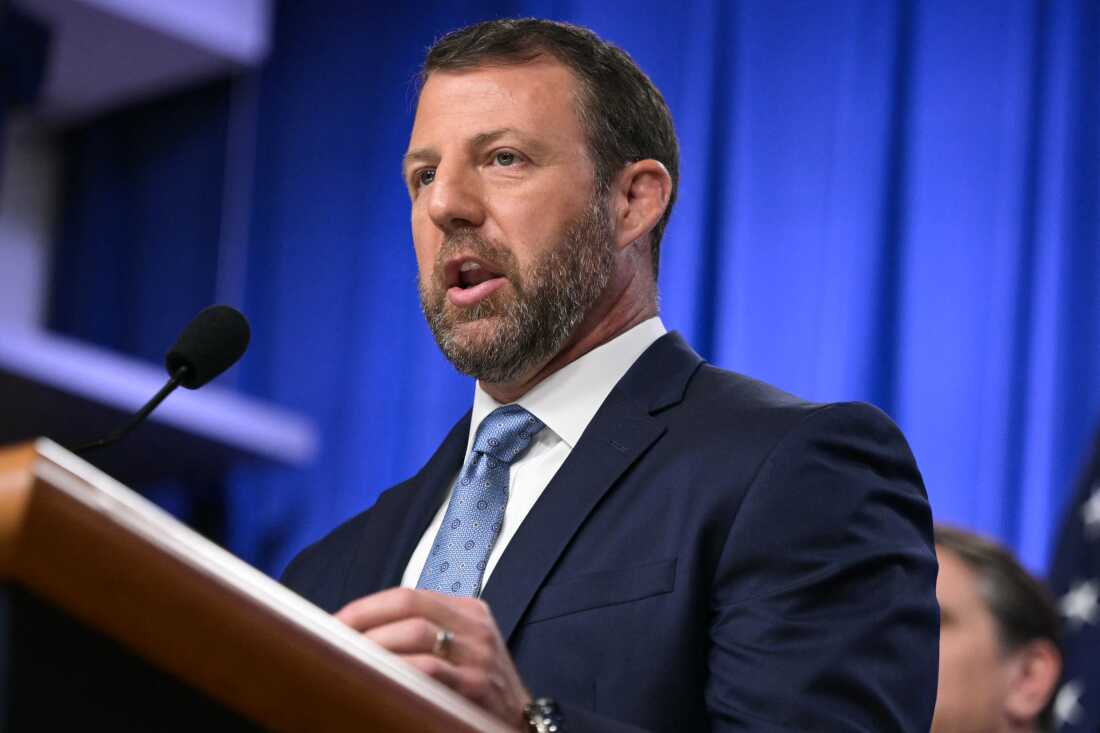
Markwayne Mullin, the Secretary of Homeland Security, has a contentious past regarding the alleged stealing of the 2020 U.S. election by Venezuela. While these claims have been repeatedly debunked, Mullin’s involvement has heighted concerns about election security in the U.S.
Mullin’s Election Fraud Claims
Mullin has supported unfounded allegations of election fraud, which has raised alarm among election officials. His refusal to vote for certifying the Electoral College in 2021 exemplifies his stance.
Gary Berntsen, a former CIA operative, advocated these claims and got support from Mullin, who arranged a meeting for Berntsen with Trump’s team to present theories on Venezuelan interference. Such actions have created distrust toward Mullin, especially given his current role as head of DHS.
Concerns of Election Security
Election officials fear that DHS might attempt to undermine election results unfavorable to Trump. Concerns about sharing voter data with the federal government have been expressed due to mistrust about data usage.
Matt Crane, a former Republican county clerk, vocally discourages sharing data with DHS, citing confidentiality worries. This reflects broader trepidations among local election officials.
DHS Under Mullin’s Leadership
Mullin emphasized the presence of DHS agents at polling places only under specific threats. Nonetheless, Trump’s administration has left the Cybersecurity and Infrastructure Security Agency (CISA) without a confirmed leader for Trump’s second term, severely affecting communication and services.
Paul Lux, an election supervisor, pointed out the diminished communication from CISA, indicating uncertainty regarding available cybersecurity services.
The Impact of Funding Cuts
Diminished funding for the Elections Infrastructure Information Sharing and Analysis Center (EI-ISAC) in 2025 due to DOGE cuts by the Trump administration has undermined collective collaboration among election jurisdictions.
Jocelyn Benson, Michigan’s secretary of state, lamented the dismantling of federal protection mechanisms, urging states to rebuild networks to combat potential foreign interference.
Efforts to Restore Communication
To counteract federal funding loss, EI-ISAC has sought membership funding from state and county members. However, its membership rates have dropped significantly.
EI-ISAC aims to consolidate election threat information through a virtual situation room, reminiscent of CISA’s former provisions. This initiative seeks to facilitate real-time threat-sharing on Election Day among election officials.
Although federal backing is absent, the organization prioritizes communication with election jurisdictions, encouraging collaboration despite challenges.
Paul Lux expressed skepticism over future federal involvement in election security, highlighting the damaged relationship between election officials and DHS. Restoring trust hinges on federal dedication to rebuilding rapport.