Iran’s Uranium Deal: Ongoing Challenges and Negotiations
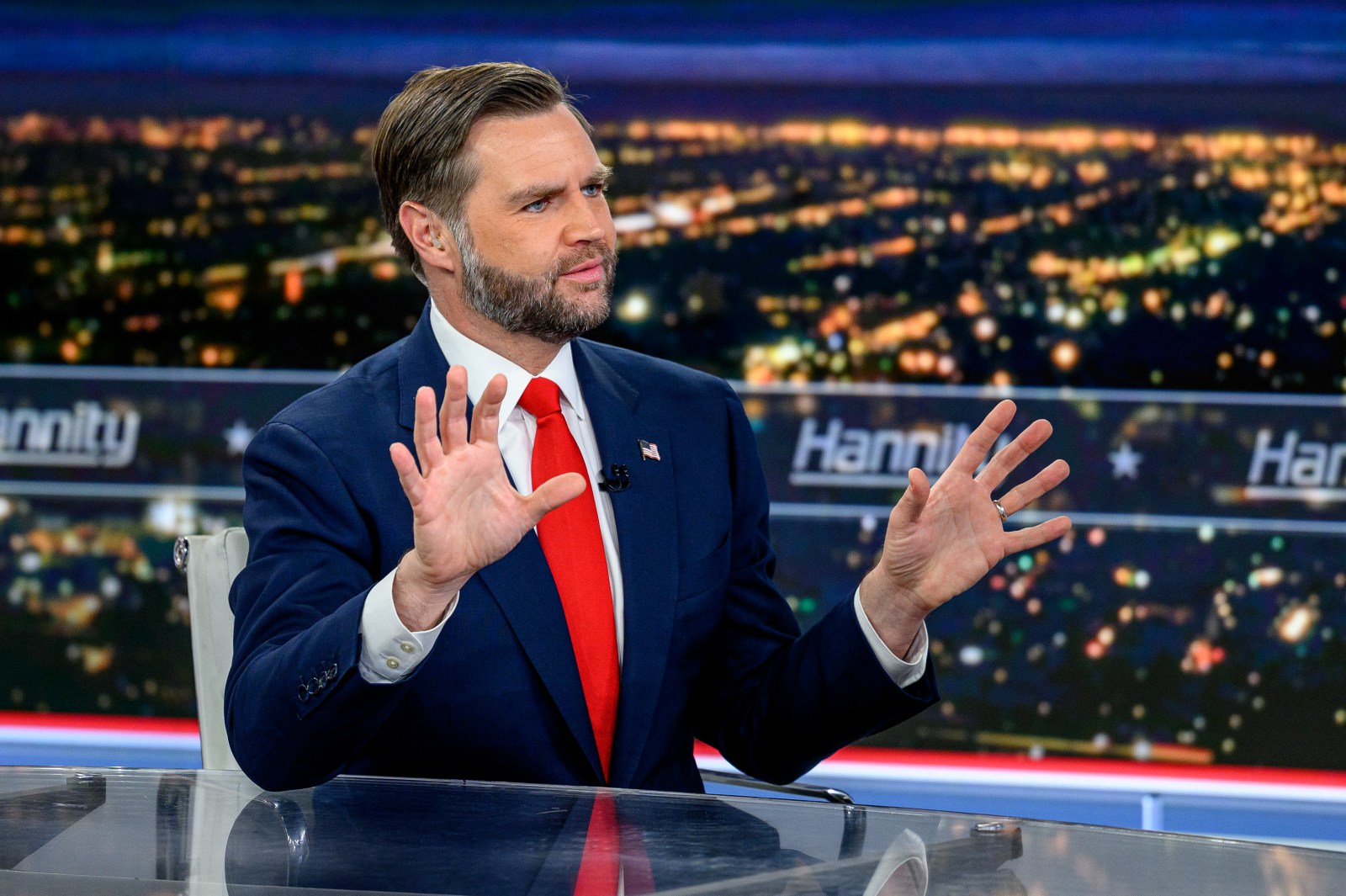
Vice President JD Vance stated that Tehran agreed to eliminate its highly enriched uranium in a deal aimed at ending the Iran War. This agreement presents challenges in ensuring the neutralization of the proliferation risks posed by the material capable of creating nuclear weapons.
Deal Details and Negotiation Process
President Donald Trump promoted a memorandum of understanding that could open the blocked Strait of Hormuz this coming Friday. This MOU includes a 60-day negotiation process concerning the Islamic Republic’s nuclear program. However, interpretations of the agreement differ between U.S. and Iranian sources. The full text of the agreement, expected this week, aims to conclude the conflict that began on February 28 with joint American and Israeli attacks on Iran.
Vance conveyed to Fox News that Tehran committed to eliminating its enriched uranium stockpile. This fulfills Trump’s and Israel’s goal of preventing Iran from acquiring a nuclear weapon. He warned that if Iran does not agree to cease enriching uranium, it will not receive the deal’s benefits. The nongovernmental Arms Control Association (ACA) emphasized the importance of not missing this diplomatic opening.
Reactions and Criticisms
In contrast, several Israeli politicians and media have criticized the MOU for lacking detail and for concessions to Tehran. Brig. Gen. Yossi Kuperwasser from the Jerusalem Institute for Strategy and Security expressed concern over the lack of Israeli participation. He noted that Israeli leaders insisted Iran cease uranium enrichment on its soil, questioning the overall diplomatic and military efforts of the U.S.
Handling Iran’s Uranium Stockpile
Iran possesses approximately 970 pounds of highly enriched uranium (HEU) enriched to 60 percent. Most of this stockpile is presumed intact but inaccessible following Israeli and U.S. strikes. The International Atomic Energy Agency (IAEA) has not received information about the bombed sites and the fate of the nuclear materials.
The ACA suggested that retrieving the HEU under IAEA supervision and diluting it within Iran would neutralize the material effectively. Reducing HEU to under 5 percent would eliminate immediate proliferation risks. This diluted material could be sent to an international fuel bank, sold, or stored under IAEA watch.
A U.S. official mentioned in June that the final deal could include a long-term suspension of Iran’s uranium enrichment program. Such a verifiable suspension and dilution plan could prevent Tehran from quickly developing a bomb. Strengthened monitoring, limiting centrifuge advancements, and demanding proof of a practical need for enrichment were proposed as measures to reduce risks.
Future Prospects and Criticisms
The ACA outlined that an effective, verifiable agreement providing benefits to Iran offers the best opportunity to discourage Iran from pursuing nuclear weapons. Israeli strategist Kuperwasser criticized the deal, saying it leaves Israel feeling neglected. He expressed skepticism about relying on Iran’s promises due to its historical dishonesty.
Justin Logan from the Cato Institute remarked that if the MOU succeeds, it opens the path for a new agreement taking the threat of a nuclear Iran off the table for a generation. He noted the conflict itself was unnecessary if such agreements could have been reached without warfare.
IAEA’s Position
The IAEA’s initial report since the war began indicated no significant changes in its evaluation. Iran must comply with the Non-Proliferation Treaty Safeguards Agreement. IAEA chief Rafael Grossi emphasized the need to re-engage with Iran.