NOAA Declares El Niño Arrival With Potential Global Impact
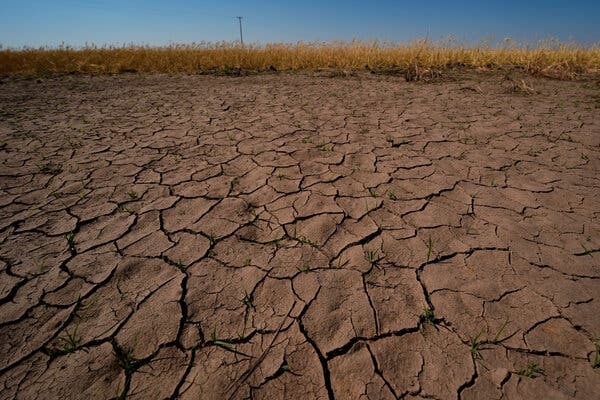
The National Oceanic and Atmospheric Administration (NOAA) has officially announced the onset of El Niño in the tropical Pacific, predicting that it will intensify in the coming months. This global weather pattern threatens to aggravate floods and heat waves, both of which are already becoming more severe due to climate change.
El Niño is a natural phenomenon occurring every few years when trade winds shift, leading to Pacific Ocean warming. Its presence significantly impacts global weather patterns, potentially escalating existing floods and droughts.
The NOAA report specifies that temperatures in the equatorial Pacific have consistently been 0.5 degrees Celsius above the long-term average for several months, along with observed atmospheric changes that favor El Niño development. The probability of sea-surface temperatures increasing by 2 degrees Celsius suggests a ‘very strong’ event. Some predictions indicate temperatures might exceed 3 degrees Celsius, which would be unprecedented.
Malte Stuecker, director of the International Pacific Research Center and professor of oceanography at the University of Hawaii, noted, ‘In a warming world, that would be pretty catastrophic.’
El Niño events often peak during the northern hemisphere’s winter, causing increased global temperatures into the following year. The last El Niño episodes, in 2023 and 2024, occurred during the hottest recorded years.
While no two El Niños are the same, they typically result in wetter conditions in some parts of the Americas and drier conditions in South and Southeast Asia, Australia, and southern Africa. These events have historically led to significant economic repercussions worldwide.
In the United States, El Niño can suppress the Atlantic hurricane season. Colorado State University has adjusted its hurricane season forecast accordingly, now predicting the lowest activity since 2015. However, NOAA warns of increased risks of high tide flooding and algae blooms on the West Coast.
Globally, poorer nations face heightened vulnerability to food shortages and drought, exacerbated by factors like the closure of the Strait of Hormuz and reductions in humanitarian aid funding. According to Mohamed Adow, director of Power Shift, a Nairobi-based climate and energy think tank, El Niño means ‘failed rains, dying crops, rising food prices and families pushed to the edge yet again.’ In East Africa, communities are especially at risk, having already endured recent droughts and floods.