Pierre Coffin on the Evolution of Minions and Their Role in Cinema
Pierre Coffin is a filmmaker known for creating the language of Minionese, a dialect that has become synonymous with the Minions franchise. Over time, he has honed this unique form of communication. Coffin maintains a file on his phone with Indian dishes and unusual words, often contributed by people he meets. “The hardest thing,” Coffin explains, “is just to find the melody.”
Since co-directing Illumination’s ‘Despicable Me’ 16 years ago, Coffin has directed three more films in the series, including ‘Despicable Me 2,’ ‘Despicable Me 3,’ and ‘Minions.’ Despite their success, the Minions have remained a complex and enigmatic project for Coffin. A French Indonesian animator based in Paris, Coffin has faced the challenges of Hollywood franchise development, navigating the peculiarities of creating films centered on a supervillain and gibberish-speaking henchmen.
“That’s why I kind of disappeared from the series,” Coffin shares. He found the plot of the second film, which involved a reformed villain falling in love, less palatable. Coffin is candid in his assessment of the franchise, even critiquing films he directed. He refuses to discuss the previous Minion spinoff, ‘Minions: The Rise of Gru,’ citing a lack of personal resonance with the film.
‘Despicable Me 3’ was the last film Coffin directed. Afterward, he informed Illumination’s chief executive, Chris Meledandri, of his intention to move on. Coffin wanted to pursue other projects, although he remained connected to the franchise by contributing to the voices. Yet, he often finds himself drawn back by the allure of the Minions.
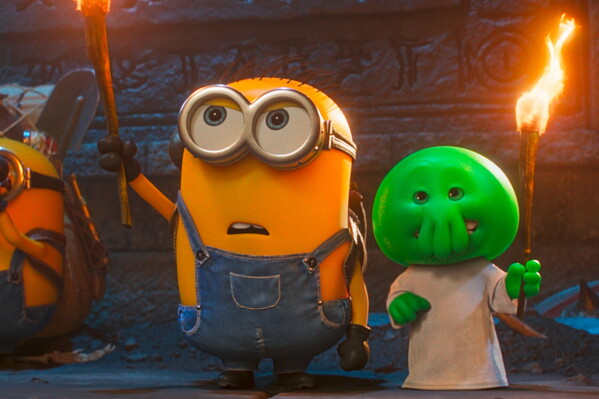
Now, Coffin returns for ‘Minions & Monsters,’ the third standalone feature focusing on the charming yellow characters. It offers a fresh narrative that portrays the Minions as filmmakers navigating 1920s Hollywood, inspired by the suggestion of Meledandri. Coffin co-wrote the script with Brian Lynch, attempting to craft a compelling story that elevates the Minions from their traditional sidekick roles.
This film aims to appeal to audiences who first encountered the Minions as children. It promises a blend of the familiar antics with an engaging plot. After seven films and earning over $5 billion at the box office, the Minions continue to evolve. They were initially conceived as hulking thugs, then robots, before finding their final form as mole-like men sporting goggles and overalls.
Despite being largely unintelligible, the Minions pose unique challenges as protagonists. New creative leadership risks relegating them to secondary roles. Long dialogues of Minionese can become tiresome without human interaction. Coffin describes the iterative process of refining the storytelling formula to keep audiences engaged.
Writing for the Minions presents its own complexities. Coffin, who voices all the Minions, often improvises their dialogue instead of scripting it. Initially, writing in English made interactions more natural for Cowriter Brian Lynch. Coffin emphasizes the importance of preserving the Minions’ distinct identity in different cinematic treatments.
In crafting ‘Minions & Monsters,’ Coffin wanted to explore the nature of friendships. Through conversations, he realized that the origins of many friendships trace back to childhood. This insight informed their characterization. “The Minions are kids,” Coffin concludes, noting their youthful irresponsibility, disobedience, and penchant for chaos as he continues to uncover more about them.