The Impact of Brett Kavanaugh’s Confirmation on Maine’s Senate Race
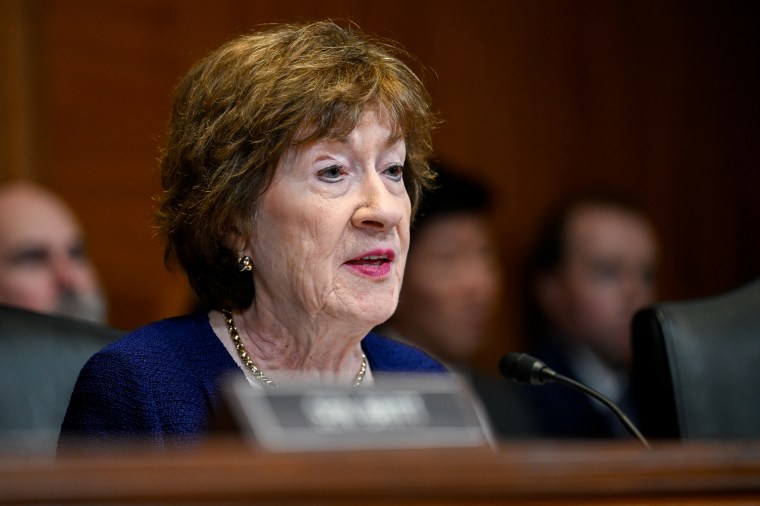
In Maine, Democrats find themselves energized by a defining issue as they approach the Senate race this fall: the confirmation of Brett Kavanaugh to the Supreme Court eight years ago. The decision of Republican Senator Susan Collins of Maine to confirm Kavanaugh has become a focal point, especially given his pivotal role in overturning Roe v. Wade in 2022.
Collins was crucial in Kavanaugh’s confirmation during 2018, publicly stating he viewed Roe v. Wade as ‘settled law.’ This comment was later contradicted when Kavanaugh played a significant role in overturning the case, leading to abortion bans across many states. The impact of this reversal resonates strongly among voters, particularly those who feel betrayed by Collins.
“After she voted for Kavanaugh, that was the last straw,” commented Arie Mobley at a recent rally for Graham Platner, the Democratic challenger to Collins. Many attendees echoed similar sentiments, feeling Collins’ vote was a betrayal of her past declarations.
Beyond abortion, Collins defended Kavanaugh amidst allegations of sexual assault, standing firm against calls for his dismissal. These allegations, while denied by Kavanaugh, were seen as disqualifying by many Democrats. Collins defended her vote by stating, “I believe that I cast the right vote. It was a difficult vote that I spent a great deal of time deliberating on.”
Platner’s campaign takes the opportunity to highlight Collins’ decisions related to Kavanaugh, especially his influence in recent Supreme Court rulings. With Senate control at stake, the relevance of Collins’ vote is as significant as ever. The emergence of Platner’s campaign as a direct challenger showcases the enduring resentment from voters who oppose Kavanaugh’s confirmation.
The campaign strategy in Maine centers on abortion rights. Collins’ vote for Kavanaugh is positioned as pivotal, contributing to an eventual overturning of Roe v. Wade. Platner accuses Collins of misleading voters about her stance, claiming she lacks integrity in protecting reproductive rights.
Collins countered criticisms, saying she consulted experts and made informed decisions during her tenure. Yet, the shadow of her 2018 vote remains an influential factor in the upcoming race.
Outside influence also shapes the narrative. Lyndsey Fifield, a conservative advocate, accused Platner of physical threats, recalling her defense of Kavanaugh against similar misconduct allegations. The interplay between these accusations complicates the discourse but hasn’t diverted focus from Collins’ historical Senate decisions.
The Democratic super PAC, Senate Majority PAC, prioritizes abortion-related advertisements in Maine. This strategic focus underscores Maine’s unique electoral landscape, where reproductive rights typically enjoy widespread voter support.
A Democratic strategist conveyed that, “There are few things that U.S. senators vote on that are more important than Supreme Court justices and war and peace.” Kavanaugh’s presence on the Supreme Court continues to influence this sentiment, energizing opposition in the current Senate race.
The evolving political dynamics in Maine emphasize an underlying frustration catalyzed by Kavanaugh’s confirmation. Collins recently stated her disappointment with the overturning of Roe v. Wade, but remains firm in her 2018 decision.
Collins’ voting record proves pivotal as Maine continues to confront the ramifications of Kavanaugh’s role in the Supreme Court. Her electoral history reflects a balancing act between defending past decisions and addressing voters’ concerns in this new era of Senate politics.