California Governor Plans Lawsuit Against Trump Admin Over Mail-In Voting Restrictions
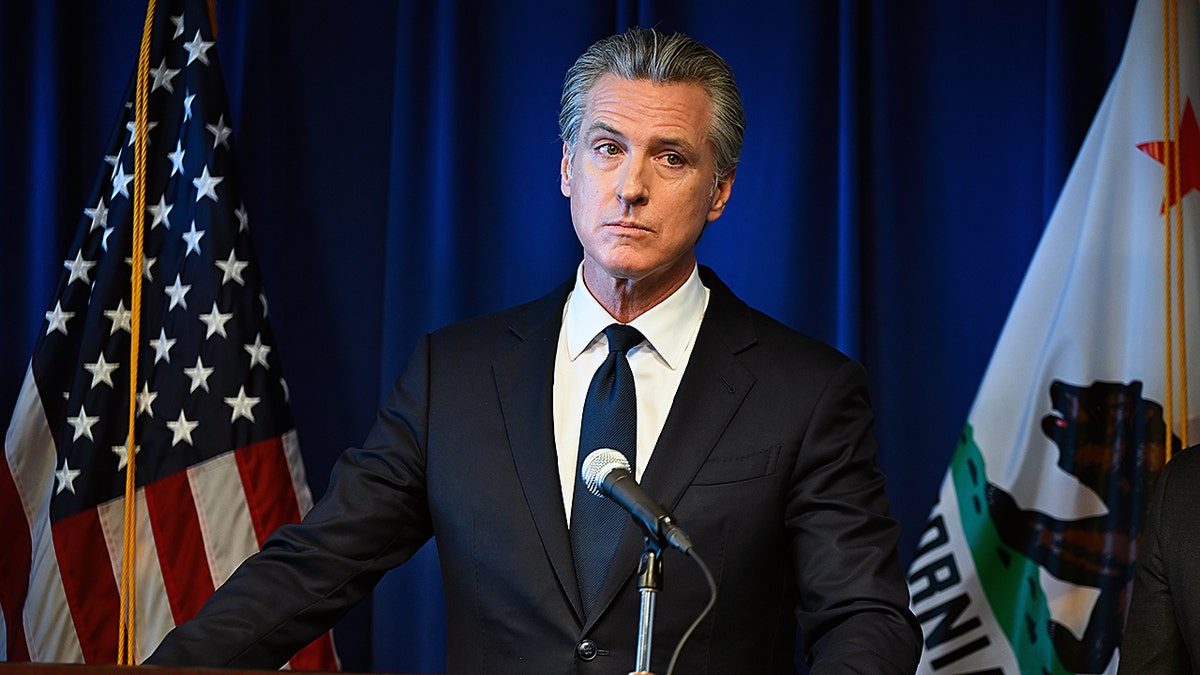
California Governor Gavin Newsom announced his intention to file a lawsuit against the Trump administration regarding its efforts to limit mail-in voting. This follows the Supreme Court’s decision to allow the administration to enforce certain aspects of President Donald Trump’s executive order on ‘election integrity’ while related lawsuits remain unresolved.
The Supreme Court recently ruled 6-3 in favor of the Trump administration, lifting a prior injunction that had prevented the order from taking effect in 23 states ahead of the upcoming midterm elections. The court emphasized that its ruling was focused on the injunction rather than the legality of the order itself, allowing for further legal challenges in the future.
Newsom criticized the Supreme Court’s ruling, stating, “The Supreme Court just let the Trump administration move ahead (for now) with its plan to disenfranchise voters across the country.” He declared that California would once again seek to block these measures, referring to them as ‘Orwellian rules.’
Furthermore, Newsom’s office highlighted two bills in the California Legislature aimed at safeguarding the state’s elections from external interference. One of the bills, AB 282, seeks to create new felonies concerning the seizure of ballots, election records, or certified voting technology before election results are finalized. The other, SB 259, proposes criminal penalties for meddling with the delivery or return of mail-in ballots, which could include a felony charge with up to four years in prison in specific situations.
These legislative efforts are part of an ‘Election Protection’ package, adding to election-related measures Newsom endorsed earlier this year. Meanwhile, the U.S. Postal Service and Department of Justice indicated they would proceed with implementing the new mail-ballot restrictions, following the Supreme Court’s ruling.
Trump’s executive order instructs federal agencies to compile citizenship-based lists of eligible voters and mandates the USPS to deliver mail-in ballots exclusively to individuals on these approved lists.
In explaining its decision, the Supreme Court specified that the directive requiring the Department of Homeland Security to prepare and distribute state citizenship lists imposed responsibilities on federal agencies, not the states. The court argued that since no obligations were placed on the states, they suffered no concrete harm from this directive, nullifying their standing to challenge it.
While Justices Sonia Sotomayor, Elena Kagan, and Ketanji Brown Jackson dissented, a representative for Newsom did not provide immediate comments on this development.