The Impact of Political Vision on America’s Technological Future
The United States stands on the brink of a potential technological golden age, with political visions possibly determining its course over upcoming election cycles. Elon Musk, speaking at the White House alongside President Donald Trump in September, predicted a future where artificial intelligence and advanced robotics create an ‘age of abundance.’ He proposed that these innovations could offer the average individual better medical care than the wealthiest receive today. This aligns with Trump’s promises of a new American golden age.
Trump’s Vision of Technological Progress
The Trump administration has prioritized American leadership in artificial intelligence within its economic agenda. Through initiatives like the AI Action Plan and executive orders, the administration seeks to eliminate regulatory barriers, develop data centers, and expand energy infrastructure essential for AI advancement. Treasury Secretary Scott Bessent has advocated for AI and automation, suggesting they could drive a new era of American manufacturing. His 2025 interview highlighted the potential of advanced ‘smart factories’ to address labor-cost challenges and enhance economic feasibility of manufacturing in the U.S.
The vision includes a future where advanced robotics make domestic manufacturing globally competitive, AI leads to significant medical breakthroughs, and innovation spurs unprecedented economic prosperity. Though societal transformation prompts legitimate questions, the potential benefits are substantial.
Resistance from the Far Left
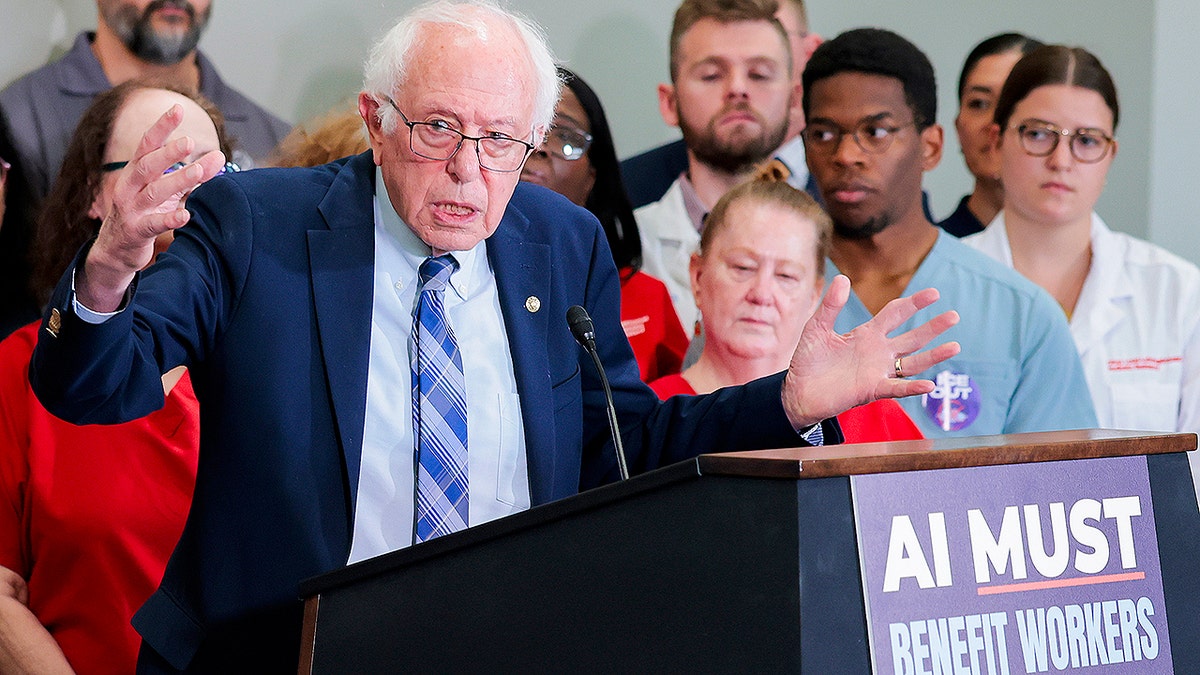
While the Trump administration plans for a golden age, Vermont Independent Sen. Bernie Sanders and fellow democratic socialists advocate a contrasting future. In March, Sanders and New York Democrat Rep. Alexandria Ocasio-Cortez proposed halting new data center construction until adequate regulatory systems are established. Many Democratic Socialists of America candidates and activists support these moratoriums at state and local levels.
Sanders’ American AI Sovereign Wealth Fund Act would nationalize 50% of the AI industry and place boards with government appointees. Additionally, Sanders introduced legislation to permanently prohibit artificial superintelligence development, establishing a federal AI agency to regulate advancement. Violations of these bans could lead to severe penalties.
Implications of AI Restrictions
While AI presents genuine concerns such as job displacement and privacy issues, the consequences of inhibiting technological advancement merit attention. AI-driven drug discovery offers potential improvements in treating cancer, Alzheimer’s, and other conditions. Robotics and logistics innovations could revolutionize manufacturing, increase agricultural output, and support elderly and disabled populations.
The far left’s proposals might prevent these benefits from emerging, as restrictions could hinder growth-driven innovations. While Sanders expresses concerns about average Americans being left behind, his measures threaten the very progress that could enhance societal prosperity.
Geopolitical Ramifications
The potential geopolitical impact of such restrictions is significant. Like the U.S., China pursues rapid AI development. The recent Stanford University 2026 AI Index reveals the performance gap between American and Chinese models has vanished. Sanders’ and the far left’s proposals may let China gain a lead in the AI race, which could substantially affect America’s global economic and political standing.
At the White House meeting where Musk outlined his optimistic future vision, Trump warned of Chinese President Xi Jinping capitalizing on any unutilized American data centers. The AI revolution offers immense prosperity, and it would be historically tragic if America surrendered these opportunities due to political fear of technological progress instead of competing with geopolitical rivals.